

TEN THOUSAND VILLAGES
We're more than a store. Ten Thousand Villages is a place where you can explore and connect with your global village.
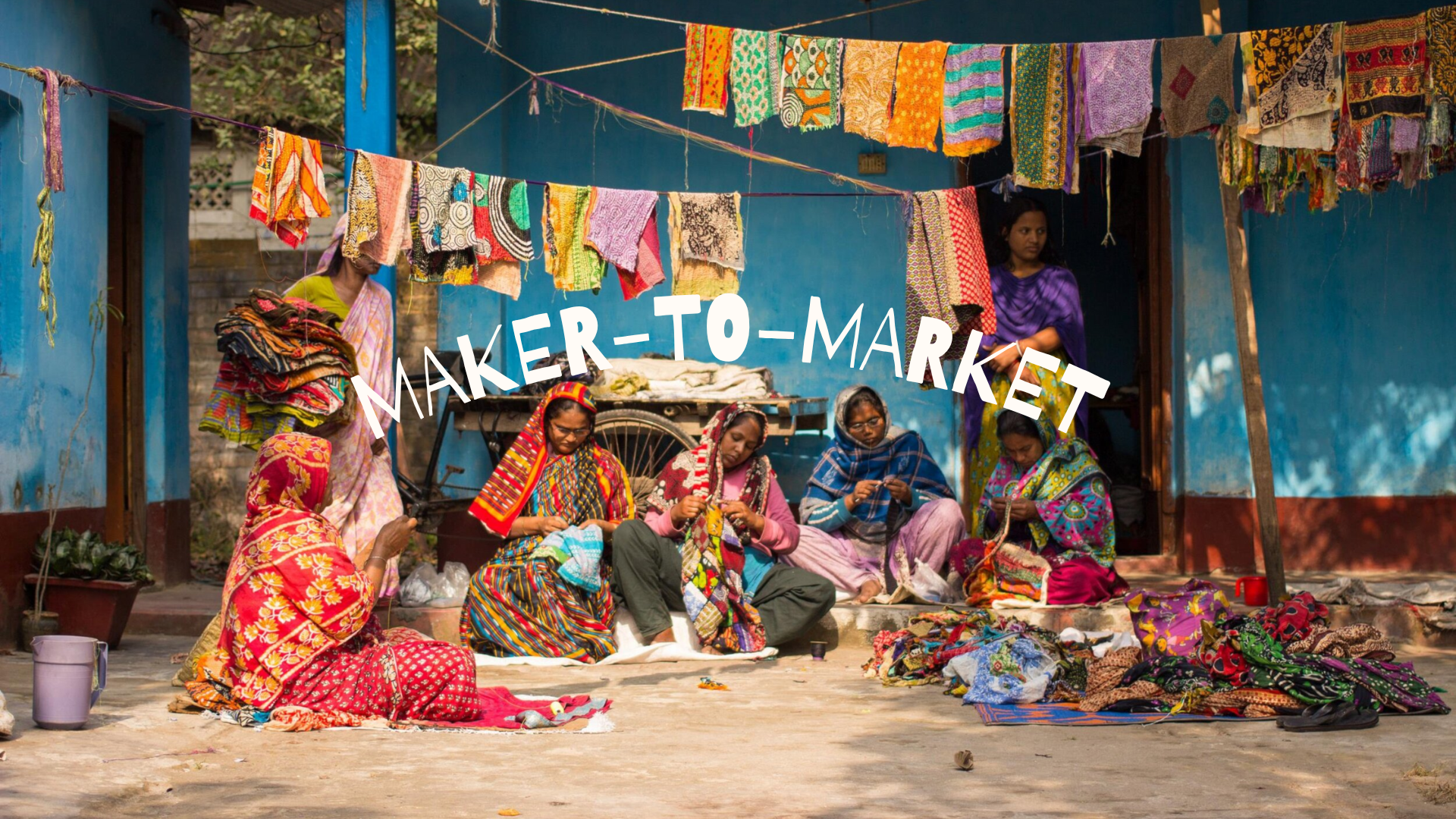
From communities throughout the developing world, every inspired design is crafted with love using local materials (usually natural or recycled) and time-honoured skills by makers we have known and worked with for years.
Every purchase improves the lives of makers by supporting their craft and providing a fair, stable income.
We offer a way for you to become part of the story, to shop your values and give gifts with meaning.
Because this is bigger than us.

How Ten Thousand Villages Began
Nearly 80 years ago, Ten Thousand Villages began with the vision of Edna Ruth Byler, a Mennonite woman from Pennsylvania who unknowingly became one of the world’s first Fair Trade trailblazers. In 1946, while traveling with her husband in Puerto Rico, she met women in the La Plata Valley who created beautiful needlework yet struggled to feed their families. Having lived through the Depression, Edna recognized both their hardship and the dignity that meaningful work could offer. Moved to help, she carried their embroidery back to the U.S., selling each handcrafted piece from the trunk of her car and sharing the stories of the women who made them.

What is Fair Trade?
Fair Trade is a way of buying and selling products that makes sure the people who produce them—especially in developing countries—get paid fairly and work in safe conditions.
It represents a partnership based on dialogue, transparency and respect, which seeks greater equity in international trade.
Fair Trade is based on the principle that trade should have a conscience and proves that greater justice in world trade is possible. It highlights the need for change in the rules and practice of conventional trade and shows how a successful business can also put people before profit.


Our Logo and Name
A stamp represents the makers’ mark, the seal of approval and craftsmanship.
Lighted doors and windows reflect the life inside artisans’ homes.
A continuous line of rooftops reminds us we are all part of the global village.
Our name invites everyone into the maker-to-market movement.

Visit Our Shop
Visit our shop at the MCC Centre in Abbotsford.
102 - 33933 Gladys Avenue, Abbotsford
Open Monday to Saturday from 10:00 am - 4:00 pm